Carbon Fiber vs Aramid vs UHMWPE: Complete B2B Comparison Guide
|
20+ Years of Expertise |
120+ Countries Served |
3,200+ Successful Projects |
400+ Product Specifications |
When engineers and procurement teams must select a high-performance fiber for demanding applications, three materials consistently dominate the conversation: carbon fiber, aramid fiber, and UHMWPE (ultra-high-molecular-weight polyethylene) fiber. Each offers a distinct set of mechanical, thermal, and chemical properties that make it uniquely suited to certain industries. Choosing the wrong material can lead to cost overruns, premature failure, or compliance issues. This guide provides a comprehensive, data-driven comparison to help you make the right decision. Impact Materials, a composite materials manufacturer based in Hangzhou, China with over 20 years of industry expertise, supplies all three fiber types to buyers in 120+ countries, giving us a first-hand understanding of how these materials perform in real-world conditions.
Key Takeaways
- Carbon fiber delivers the highest stiffness and tensile strength (3,500-6,000 MPa), ideal for structural aerospace and automotive components.
- Aramid fiber excels in thermal resistance (500+ deg C) and impact absorption, making it the standard for ballistic protection and PPE.
- UHMWPE fiber offers the lowest density (0.97 g/cm3) and highest specific strength, preferred for marine ropes, ballistic panels, and medical implants.
- Impact Materials offers all three fiber types under one roof with ISO 9001 certification, simplifying multi-material procurement.
Material Overview: Three High-Performance Fibers
Carbon Fiber
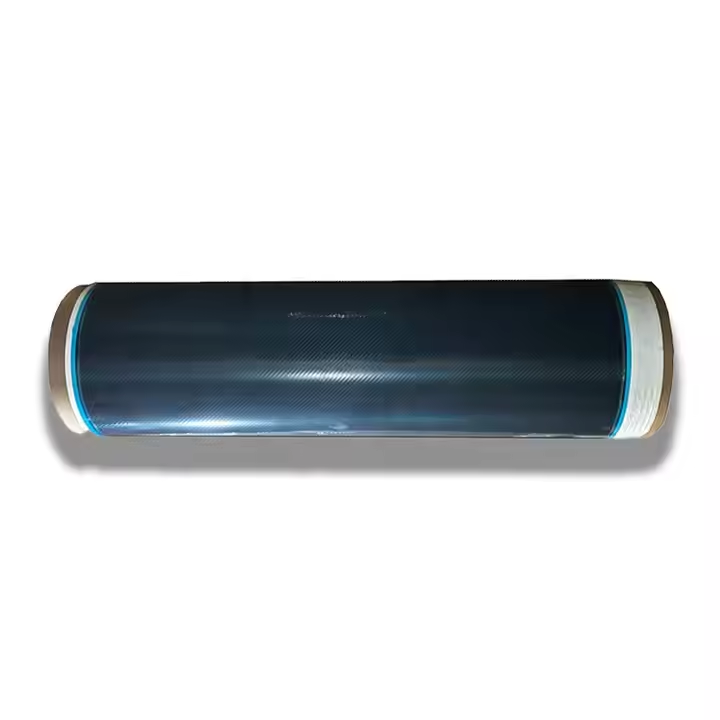
Carbon fiber is composed of thin crystalline filaments of carbon atoms bonded in a microscopic crystal structure aligned parallel to the fiber axis. This alignment gives carbon fiber its extraordinary tensile strength and stiffness. Available in tow sizes from 1K to 48K and in various weave patterns (plain, twill, satin), carbon fiber composites typically achieve tensile strengths of 3,500-6,000 MPa with a modulus of 230-600 GPa. According to ASTM D3039 testing standards, carbon fiber reinforced polymers (CFRP) can reduce structural weight by up to 20% compared to aluminum while maintaining equivalent or superior strength. At Impact Materials, our 3K Twill Carbon Fiber Fabric Epoxy Resin Prepreg exemplifies the high-performance grades demanded by aerospace OEMs.
Aramid Fiber
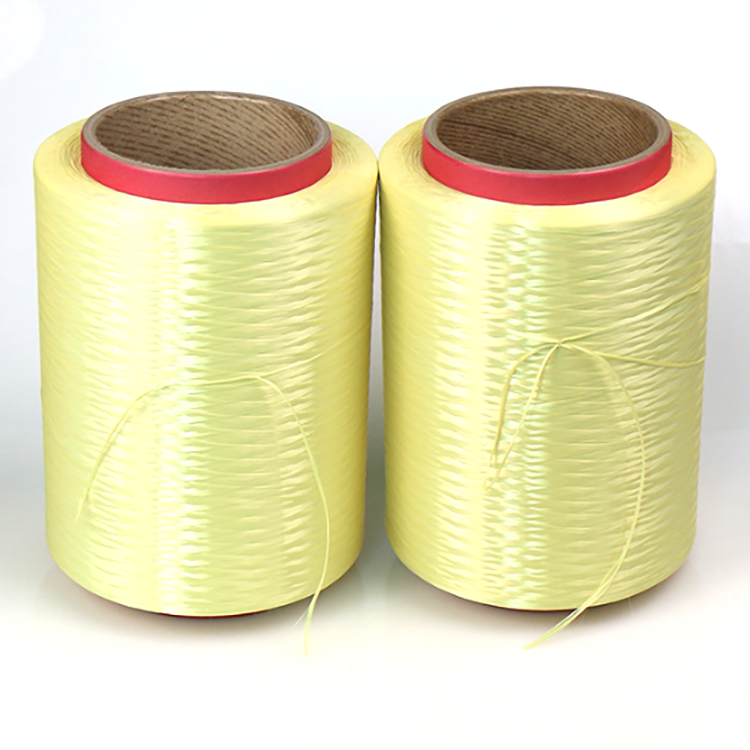
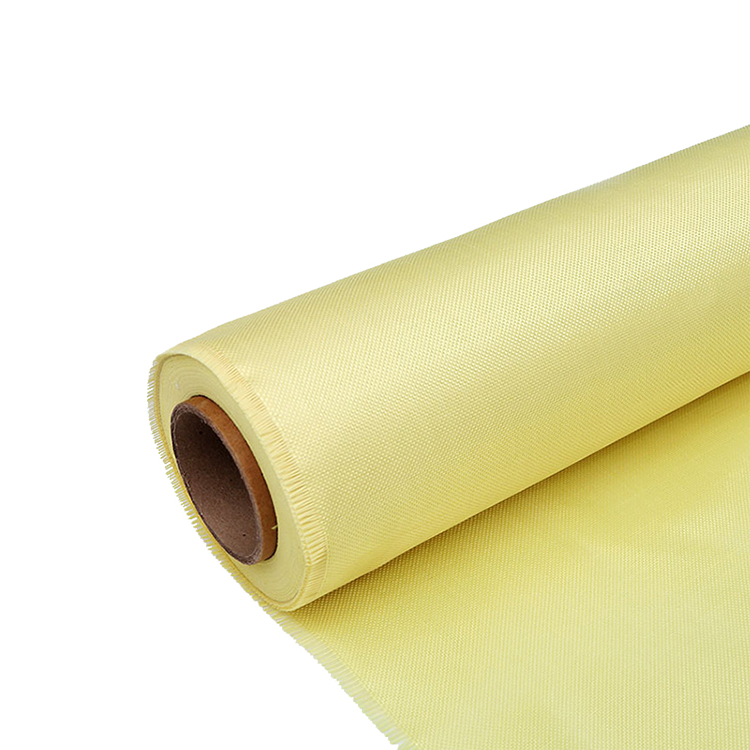
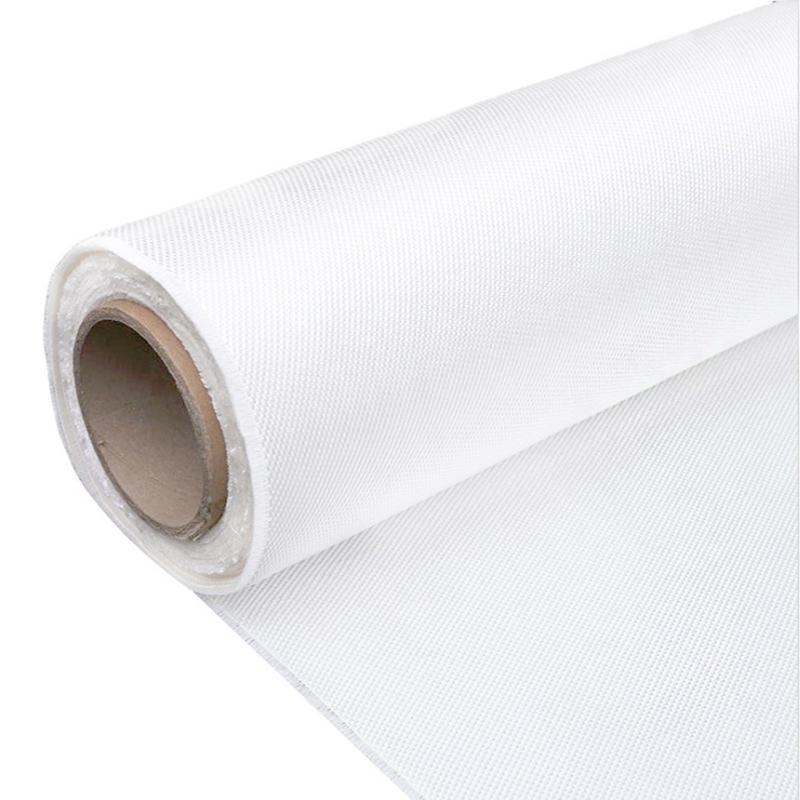
Aramid fibers, including well-known brands like Kevlar and Twaron, are synthetic polyamides characterized by aromatic ring structures linked by amide bonds. This molecular architecture delivers tensile strengths of 3,000-3,400 MPa at a density of only 1.44 g/cm3. What sets aramid apart is its exceptional thermal stability with a degradation temperature above 500 deg C, inherent flame resistance (LOI > 28), and outstanding impact energy absorption. These properties make aramid the material of choice for personal protective equipment, automotive armor, and aircraft interior panels. Our Para Aramid Fabric and Carbon Aramid Hybrid Fabric are widely specified in defense and transportation projects worldwide.
UHMWPE Fiber
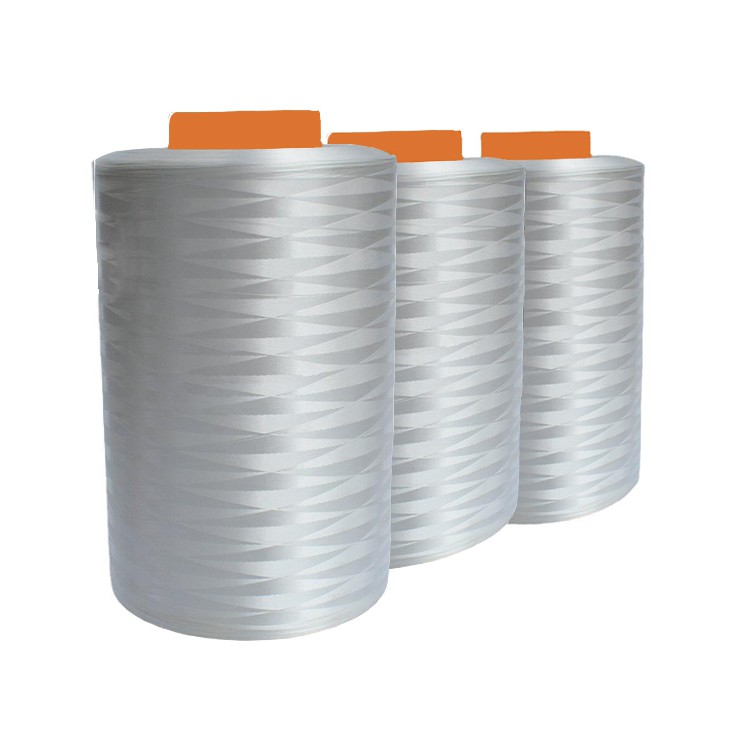
Ultra-High Molecular Weight Polyethylene fiber has a molecular weight range of 3 to 6 million g/mol, resulting in an extremely high strength-to-weight ratio. UHMWPE fibers achieve tensile strengths up to 3.6 GPa with a density of only 0.97 g/cm3, making them lighter than water. The fiber exhibits excellent chemical resistance to acids, alkalis, and seawater, along with low moisture absorption. Its primary limitation is a relatively low continuous service temperature of 70-80 deg C. UHMWPE is the dominant material in ballistic armor panels, marine rope and netting, surgical sutures, and cut-resistant gloves. Impact Materials supplies UHMWPE in multiple formats including UHMWPE Yarn Fiber and UHMWPE Knitted Fabric.
Head-to-Head Property Comparison
| Property | Carbon Fiber | Aramid Fiber | UHMWPE Fiber |
|---|---|---|---|
| Tensile Strength (MPa) | 3,500 – 6,000 | 3,000 – 3,400 | 2,600 – 3,600 |
| Tensile Modulus (GPa) | 230 – 600 | 70 – 130 | 100 – 120 |
| Density (g/cm3) | 1.75 – 1.80 | 1.44 | 0.97 |
| Elongation at Break (%) | 1.5 – 2.0 | 2.5 – 4.0 | 3.0 – 4.0 |
| Continuous Service Temp (deg C) | Up to 200 | Up to 250 | Up to 80 |
| Thermal Degradation (deg C) | 400 – 500 | 500+ | 150 |
| Chemical Resistance | Moderate | High | Very High |
| UV Resistance | Moderate (needs coating) | Good | Poor (needs UV stabilizer) |
| Impact Resistance | Moderate | Excellent | Very Good |
| Approx. Cost (USD/kg) | $15 – $50 | $25 – $60 | $20 – $45 |
| Key Standards | ASTM D3039, ISO 14125 | ASTM D3039, ISO 14125 | ASTM D3822, ISO 2062 |
Featured Carbon Fiber Vs Aramid Vs Uhmwpe Products
Explore our top-rated carbon fiber vs aramid vs UHMWPE products from Impact Materials, trusted by manufacturers in 120+ countries.
Application-Specific Performance Analysis
Aerospace and Aviation
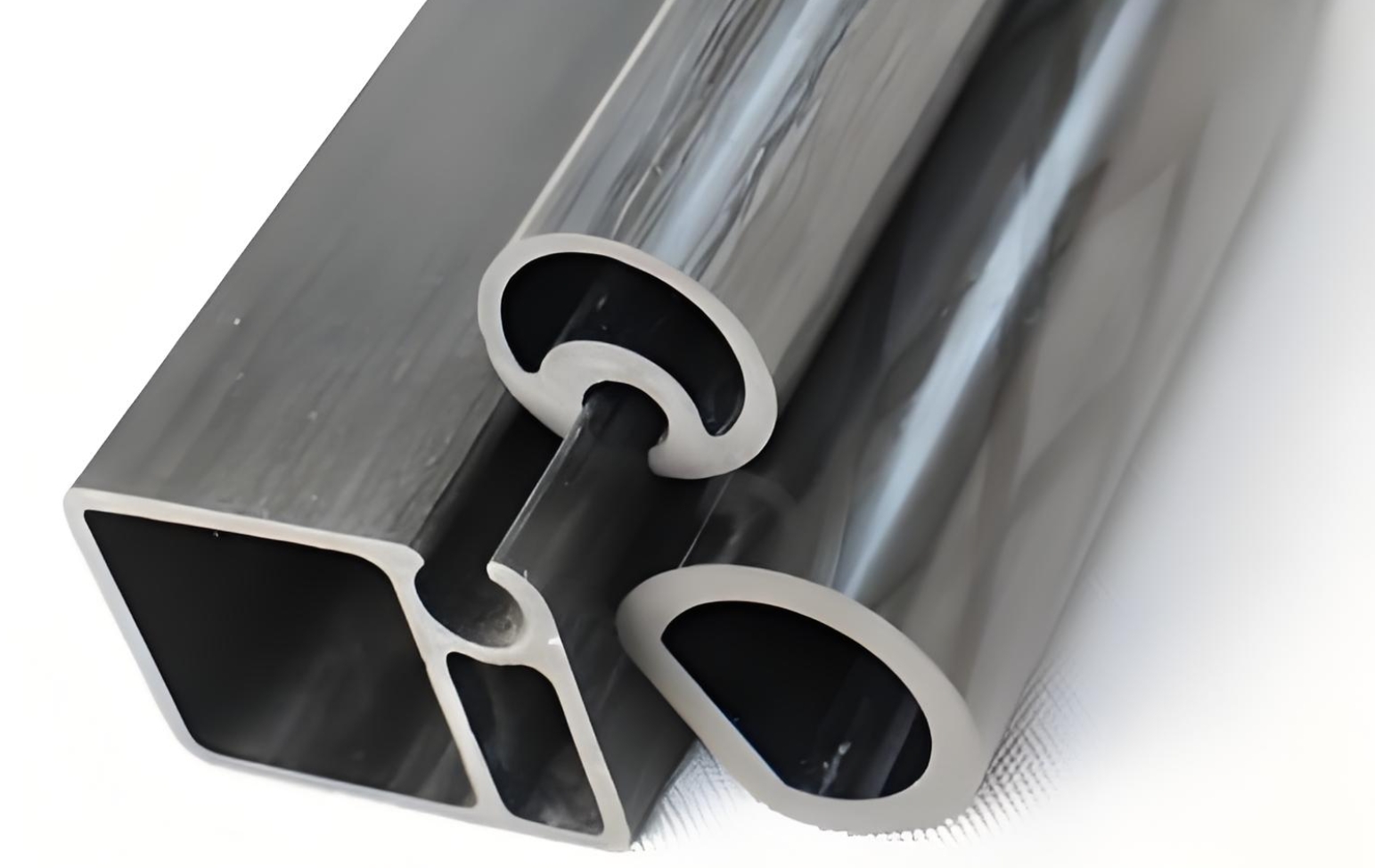
In aerospace, carbon fiber is the dominant material for primary structures including fuselage, wing skins, and empennage components, where its high stiffness-to-weight ratio directly translates to fuel savings of 15-20%. Aramid fiber plays a complementary role in interior panels, radomes, and cargo liners where impact resistance and flame retardancy are prioritized. UHMWPE fiber is increasingly used in cargo nets, parachute cords, and ballistic armor for aircraft crew protection. Impact Materials has supplied carbon fiber prepreg and pultruded rods to aerospace programs across 40+ countries, with all materials tested per ASTM D3039 standards.
Automotive and Transportation
Carbon fiber reinforced components are used in high-performance vehicles for body panels, drive shafts, and monocoque chassis, reducing weight by up to 30% compared to steel equivalents. Aramid is preferred for brake pads, clutch facings, and impact-absorbing crash structures. UHMWPE finds application in truck bed liners, cargo tie-downs, and EV battery enclosures where chemical resistance and impact toughness are valued. Electric vehicle manufacturers increasingly specify carbon fiber to extend range, while aramid is chosen for safety-critical crash zones.
Defense and Ballistic Protection
This is where aramid and UHMWPE dominate. Aramid (Kevlar) provides multi-hit ballistic resistance and is the standard for body armor plates, helmets, and vehicle armor. UHMWPE delivers lighter-weight ballistic solutions with superior specific energy absorption, making it ideal for lightweight body armor and helicopter crew protection. Carbon fiber is used in structural armor supports and UAV airframes. Our Para Aramid Fabric and UHMWPE Yarn Fiber are qualified for NIJ Level IIIA ballistic applications.
Marine and Industrial
UHMWPE is the clear leader in marine applications due to its near-zero water absorption and excellent resistance to saltwater corrosion. UHMWPE ropes are 8-10 times stronger than steel wire rope at one-eighth the weight, making them ideal for deep-sea mooring, fishing nets, and sailcloth. Carbon fiber is used in racing yacht hulls, masts, and wind turbine blades where stiffness is paramount. Aramid reinforces pressure vessels and industrial hoses. Impact Materials has supplied UHMWPE Knitted Fabric and carbon fiber rods to marine operators in over 30 countries.
Need a custom solution? Our technical experts are ready to help.
Cost and Procurement Considerations
Price Comparison by Grade
Carbon fiber pricing varies significantly by grade: standard modulus (3K) tow costs approximately $15-20/kg, while aerospace-grade intermediate and high modulus fibers range from $30-50/kg. Aramid fiber is typically priced between $25-60/kg depending on weave density and specification level. UHMWPE fiber prices range from $20-45/kg, with ballistic-grade variants at the higher end. Buyers should consider the total cost of ownership including manufacturing yield, tooling compatibility, and lifecycle durability rather than raw material cost alone.
MOQ and Lead Time Benchmarks
For carbon fiber fabric, typical MOQ starts at 100-200 meters with lead times of 4-6 weeks. Aramid fabric MOQ generally ranges from 100-500 meters with 4-8 week lead times. UHMWPE yarn and fabric MOQ starts at 1,000 meters for standard grades, with 4-8 week delivery. Impact Materials offers flexible MOQ policies and maintains inventory for our most popular specifications to reduce lead times for repeat orders. Custom solutions for all three fiber types are available with engineering support.
Quality Assurance and Certification
All three materials should be sourced from ISO 9001 certified suppliers. Request certificates of analysis (COA) verifying tensile strength, modulus, and fiber areal weight per ASTM D3039. For defense applications, additional certifications such as NIJ standards for ballistic performance may be required. Impact Materials provides full traceability and COA documentation for every batch shipped.
How to Choose the Right Fiber for Your Project
Start by ranking your project requirements: if maximum stiffness and structural performance are paramount, carbon fiber is the clear choice. If impact resistance, flame retardancy, or ballistic protection are the primary drivers, aramid fiber delivers the best performance. If weight savings, chemical resistance, or buoyancy are critical, UHMWPE is optimal. Many projects benefit from hybrid solutions, such as carbon-aramid fabric combining the stiffness of carbon with the impact toughness of aramid. Impact Materials’ product range of over 400 specifications across all three fiber types means we can recommend the optimal solution for your specific application, often providing comparative samples for validation testing.
Why Source from Impact Materials
Impact Materials is uniquely positioned as a single-source supplier for all three high-performance fiber types. With over 20 years of manufacturing expertise, 3,200+ completed projects, and 400+ product specifications, we serve clients in 120+ countries. Our ISO 9001 certified quality management system ensures consistent material properties batch after batch. We offer comprehensive technical support, from material selection guidance through prototype development to volume production. Our logistics team manages international shipping to ensure timely delivery regardless of your location. Contact our technical team to discuss your project requirements and request material samples for evaluation.
More Carbon Fiber Vs Aramid Vs Uhmwpe Solutions
Discover additional carbon fiber vs aramid vs UHMWPE options to meet your specific project requirements.
Ready to Source Quality Composite Materials?
Impact Materials serves 120+ countries with 400+ product specifications. Get your custom quote in 24 hours.
Frequently Asked Questions
Which fiber type is strongest?
In absolute terms, carbon fiber offers the highest tensile strength (up to 6,000 MPa) and by far the highest stiffness (modulus up to 600 GPa). However, UHMWPE has the highest specific strength (strength-to-weight ratio) at 3.7 GPa/(g/cm3), making it the strongest material per unit weight.
Can these fibers be combined in a single composite?
Yes, hybrid composites combining two or more fiber types are increasingly common. Carbon-aramid fabric, for example, delivers both high stiffness and impact resistance. The key consideration is resin compatibility; all three fibers bond well with epoxy resin systems. Impact Materials offers carbon-aramid hybrid fabrics in multiple weave configurations.
What temperature range can each fiber withstand?
Aramid fiber performs best at elevated temperatures, with continuous service up to 250 deg C and degradation above 500 deg C. Carbon fiber typically operates up to 200 deg C (depending on the resin system). UHMWPE is limited to 70-80 deg C continuous service, which restricts its use in high-temperature applications.
Is UHMWPE suitable for structural applications?
UHMWPE is primarily used in load-bearing rope, netting, and ballistic applications rather than rigid structural components. Its low modulus compared to carbon fiber and poor thermal stability limit structural use. For structural applications requiring lightweight solutions, carbon fiber is generally the better choice.
How do I verify the quality of composite materials?
Request a Certificate of Analysis (COA) from your supplier, verifying properties per ASTM D3039 (tensile) and ISO 14125 (flexural) standards. Conduct incoming inspection including areal weight verification and visual inspection. For critical applications, consider third-party lab testing of sample batches before committing to large orders.
What logistics considerations apply to international sourcing?
All three fiber types are classified as non-hazardous materials for shipping. Standard sea freight transit times are 30-45 days from China to Europe or North America. Air freight options are available for urgent orders with 5-7 day delivery. Impact Materials handles all export documentation, customs clearance coordination, and packaging to ensure materials arrive in perfect condition. Our logistics network covers 120+ countries.
Work With a Trusted Carbon Fiber Vs Aramid Vs Uhmwpe Supplier
Hangzhou Impact New Materials Co., Ltd. (Impact Materials) has delivered carbon fiber vs aramid vs UHMWPE solutions to clients in 120+ countries for over 20 years. Our 3,200+ successful projects and 400+ product specifications mean we have exactly what your project needs.
About the Author
